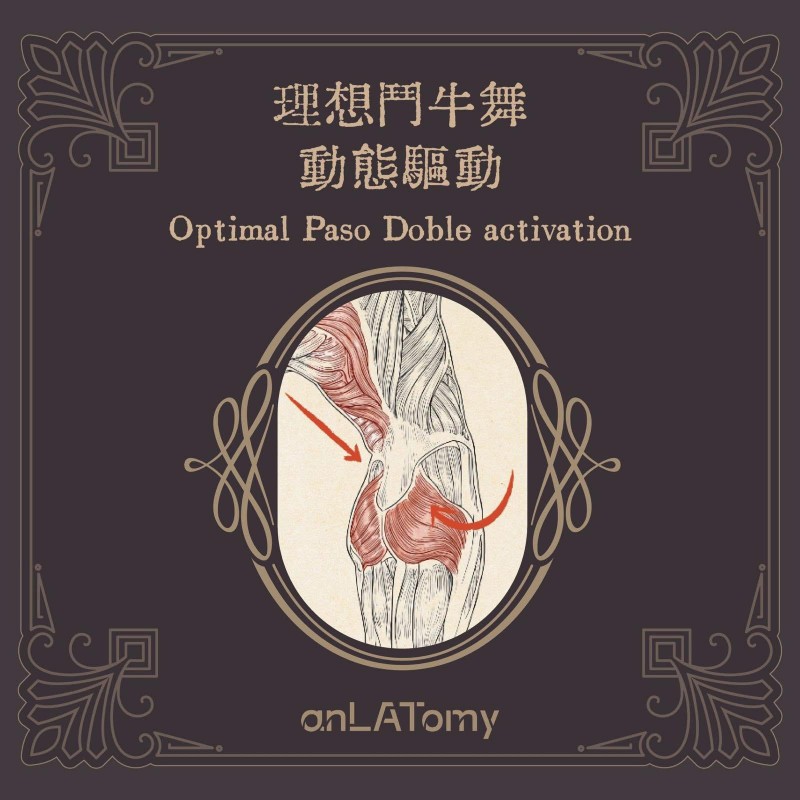
Optimal Paso Doble activation
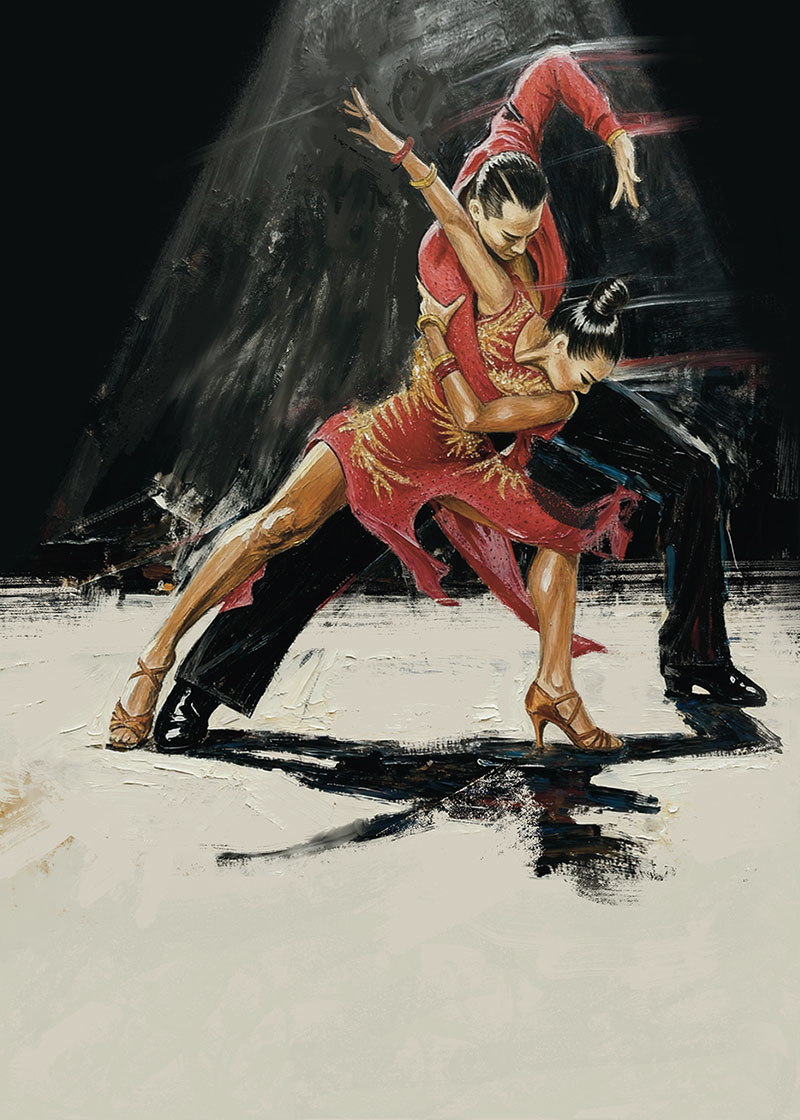
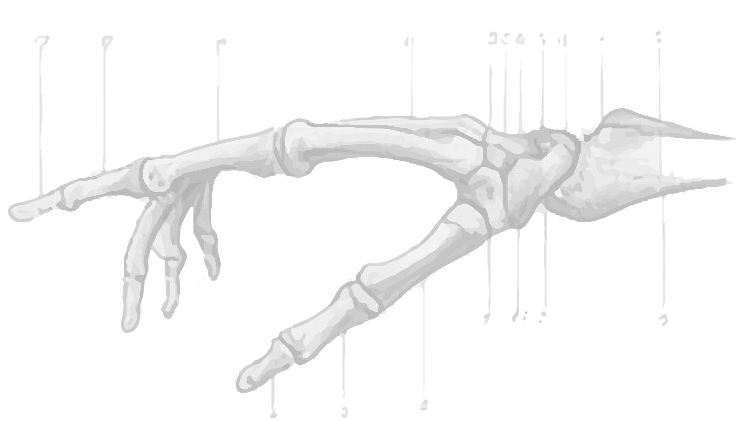
💃🏻Optimal Paso Doble activation If we could have better understanding of our spinal mechanics which how different segment suppose to
combining scientific rigor with artistic vitality to open a new horizon for Latin dancers
This is a landmark, era‑defining work that integrates anatomy, biomechanics, and dance technique—combining scientific rigor with artistic vitality to open a new horizon for Latin dancers. Created jointly by seasoned dancers, performance coaches, medical experts, and physical therapists, the book applies meticulous analysis and cross‑disciplinary insight to deeply deconstruct the movement logic behind Latin dance, unveiling the dynamics of kinetic chains, core stability, and energy transmission, and redefining the future of dance education and performance.
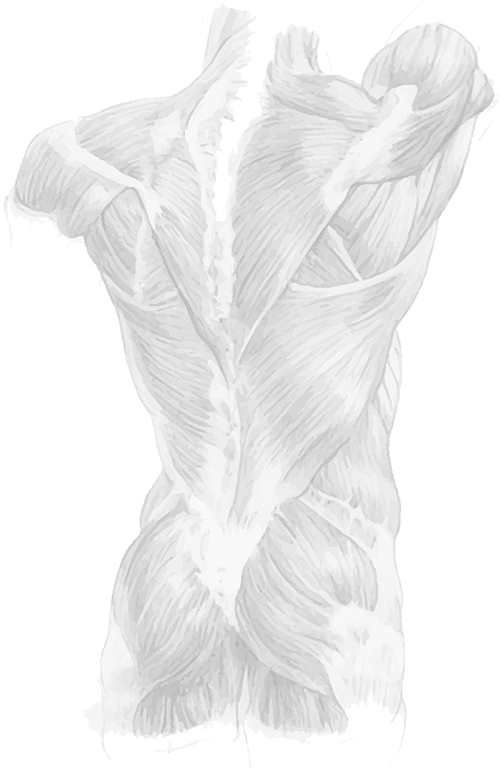
This insightful work provides precise terminology for muscles and bones, making the complex language of the medical field accessible to dancers and teachers alike.
As someone who is passionate about words and the intricacies of the body, I found this writing both enlightening and engaging. It is a valuable resource that I wholeheartedly endorse.
It’s with pleasure that I recommend the author, Cedric Chan’s NEW Edition of “The Anatomy of Latin Dance Mechanics”. The book itself is a breakthrough being the first anatomical mechanics book focused on Latin dance. The author offers interesting information seen from a biomechanical and scientific viewpoint. The goal is to provide dancers with the opportunity to achieve a deeper insight into the concept of movement logic and training principles, a great knowledge that may help to prevent injuries.
The Anatomy of Latin Dance Mechanics, is a profound biomechanical encyclopaedia of our Latin American Dancing. Everyone that is sticking to deepening his researching, will find a proper education. It is great to see how much love and passion brought into this book. A must for every dancer and teacher.
I am pleased to recommend Cedric Chan, a talented student and insightful author, who is about to release the second edition of his remarkable book, “Anlatomy: Anatomy of Latin Dancing.” This book is poised to be an invaluable resource for dancers of all levels, providing a comprehensive understanding of the biomechanics essential for mastering the intricacies of Latin dance.
In “Anlatomy,” Cedric delves into critical topics such as kinetic chains, optimal breathing techniques, and the Gait Cycle, all of which empower dancers to enhance their performance while minimising the risk of injury. His work stands out for its clear explanations and practical insights, offering dancers essential information that can help them avoid unnecessary detours in their training. This book serves not only as an educational tool but as a guide to achieving excellence in the beautiful art of Latin American dancing.
I wholeheartedly recommend “Anlatomy” to anyone passionate about dance—it’s a must-have for those who aspire to achieve perfection and explore the true beauty of this vibrant art form. Cedric’s dedication and expertise make him an outstanding advocate for the future of dance education.
Cedric’s Anlatomy is a monumental contribution to the world of dance education.
As someone who has known Cedric for many years through our time in competitive Latin dance, I have always admired his innate coordination and intelligent approach to movement. What makes this work so extraordinary is how he has taken that raw gift and refined it through years of rigorous research, exploration, and synthesis to create a text that is both revolutionary and profoundly practical.
In the Latin ballroom world, we often speak of “feeling the body,” but rarely do we have access to such a precise, anatomical roadmap for understanding it. Cedric bridges that gap with elegance. His book doesn’t just explain the body’s architecture – it offers dancers and teachers a clear, universal language rooted in biomechanics and kinesiology. For the first time, we have a reference that breaks down the foundational kinetic chains and planes of motion with such clarity that it becomes immediately applicable to the art of dance, particularly Latin styles.
What sets Anlatomy apart is its unique blend of scientific rigour and dancer’s intuition. Cedric honours the complexity of human movement without making it feel intimidating. Instead, he opens up a world where breath, balance, alignment, and energy flow are not just poetic concepts, but anatomical truths that dancers can learn to embody.
I believe this book has the potential to become a cornerstone for the next generation of dance training – one that prioritises long-term health, deep body awareness, and technically empowered artistry. Anlatomy is not just a book; it’s a system for rethinking how we teach, train, and live in our bodies.
Cedric, you’ve done something truly groundbreaking. Thank you for gifting the dance world this extraordinary work.
“This book is a very brave project for the Dancesport society. Such a brave project is nevertheless based on scientific data that can help the dance world tremendously. For all dance people it is a step forward. Be curious, not furious”
Cedric, as a dancer you had the most wonderful natural ability so it is with pride, and no surprise that you would use your talents and gifts to help future generations of dancers. I’m sure the information you have in the book will help multiple dancers in multiple ways learn how better to finely tune their mind and bodies for maximum freedom of the artistic expression that dance requires.
I would like to congratulate Cedric Chan for producing this masterpiece of movement analysis based of the latin dance coordination. Cedrics detailed descriptions and explanation of the complexity of body coordination that eventually leads to the highest order of latin dance expression is truly admirable. This book will not only become a corner stone for future development of our dance style it will most likely also prevent future dancers from severe injuries.
It is with immense pride and genuine admiration that I endorse Cedric’s groundbreaking work, *An-Latomy: The Latin Dance Anatomy*. This extraordinary accomplishment seamlessly intertwines his profound passion for Latin American dance with an insatiable curiosity and unwavering professionalism. Having had the privilege of being his teacher, as well as his friend and colleague, I have witnessed firsthand his relentless dedication to uncovering and comprehending the intricate art and science underpinning Latin American dance.
This book is a testament to Cedric’s intellectual rigor and creative vision, offering readers an exceptional exploration of body awareness, movement mechanics, and technical precision. His work is distinguished by its meticulous analysis and unique ability to distill complex ideas into accessible, meaningful insights. Throughout the development of this project, I have observed his unyielding commitment and infectious enthusiasm, culminating in a resource that is both profoundly educational and deeply inspiring.
Cedric’s explanations are not only lucid and engaging but also brimming with depth and insight. I wholeheartedly and unequivocally recommend this book to anyone seeking to elevate their understanding of the intricate relationship between the human body and the artistry of Latin American dance.
This insightful work provides precise terminology for muscles and bones, making the complex language of the medical field accessible to dancers and teachers alike.
As someone who is passionate about words and the intricacies of the body, I found this writing both enlightening and engaging. It is a valuable resource that I wholeheartedly endorse.
It’s with pleasure that I recommend the author, Cedric Chan’s NEW Edition of “The Anatomy of Latin Dance Mechanics”. The book itself is a breakthrough being the first anatomical mechanics book focused on Latin dance. The author offers interesting information seen from a biomechanical and scientific viewpoint. The goal is to provide dancers with the opportunity to achieve a deeper insight into the concept of movement logic and training principles, a great knowledge that may help to prevent injuries.
The Anatomy of Latin Dance Mechanics, is a profound biomechanical encyclopaedia of our Latin American Dancing. Everyone that is sticking to deepening his researching, will find a proper education. It is great to see how much love and passion brought into this book. A must for every dancer and teacher.
I am pleased to recommend Cedric Chan, a talented student and insightful author, who is about to release the second edition of his remarkable book, “Anlatomy: Anatomy of Latin Dancing.” This book is poised to be an invaluable resource for dancers of all levels, providing a comprehensive understanding of the biomechanics essential for mastering the intricacies of Latin dance.
In “Anlatomy,” Cedric delves into critical topics such as kinetic chains, optimal breathing techniques, and the Gait Cycle, all of which empower dancers to enhance their performance while minimising the risk of injury. His work stands out for its clear explanations and practical insights, offering dancers essential information that can help them avoid unnecessary detours in their training. This book serves not only as an educational tool but as a guide to achieving excellence in the beautiful art of Latin American dancing.
I wholeheartedly recommend “Anlatomy” to anyone passionate about dance—it’s a must-have for those who aspire to achieve perfection and explore the true beauty of this vibrant art form. Cedric’s dedication and expertise make him an outstanding advocate for the future of dance education.
Cedric’s Anlatomy is a monumental contribution to the world of dance education.
As someone who has known Cedric for many years through our time in competitive Latin dance, I have always admired his innate coordination and intelligent approach to movement. What makes this work so extraordinary is how he has taken that raw gift and refined it through years of rigorous research, exploration, and synthesis to create a text that is both revolutionary and profoundly practical.
In the Latin ballroom world, we often speak of “feeling the body,” but rarely do we have access to such a precise, anatomical roadmap for understanding it. Cedric bridges that gap with elegance. His book doesn’t just explain the body’s architecture – it offers dancers and teachers a clear, universal language rooted in biomechanics and kinesiology. For the first time, we have a reference that breaks down the foundational kinetic chains and planes of motion with such clarity that it becomes immediately applicable to the art of dance, particularly Latin styles.
What sets Anlatomy apart is its unique blend of scientific rigour and dancer’s intuition. Cedric honours the complexity of human movement without making it feel intimidating. Instead, he opens up a world where breath, balance, alignment, and energy flow are not just poetic concepts, but anatomical truths that dancers can learn to embody.
I believe this book has the potential to become a cornerstone for the next generation of dance training – one that prioritises long-term health, deep body awareness, and technically empowered artistry. Anlatomy is not just a book; it’s a system for rethinking how we teach, train, and live in our bodies.
Cedric, you’ve done something truly groundbreaking. Thank you for gifting the dance world this extraordinary work.
“This book is a very brave project for the Dancesport society. Such a brave project is nevertheless based on scientific data that can help the dance world tremendously. For all dance people it is a step forward. Be curious, not furious”
Cedric, as a dancer you had the most wonderful natural ability so it is with pride, and no surprise that you would use your talents and gifts to help future generations of dancers. I’m sure the information you have in the book will help multiple dancers in multiple ways learn how better to finely tune their mind and bodies for maximum freedom of the artistic expression that dance requires.
I would like to congratulate Cedric Chan for producing this masterpiece of movement analysis based of the latin dance coordination. Cedrics detailed descriptions and explanation of the complexity of body coordination that eventually leads to the highest order of latin dance expression is truly admirable. This book will not only become a corner stone for future development of our dance style it will most likely also prevent future dancers from severe injuries.
It is with immense pride and genuine admiration that I endorse Cedric’s groundbreaking work, *An-Latomy: The Latin Dance Anatomy*. This extraordinary accomplishment seamlessly intertwines his profound passion for Latin American dance with an insatiable curiosity and unwavering professionalism. Having had the privilege of being his teacher, as well as his friend and colleague, I have witnessed firsthand his relentless dedication to uncovering and comprehending the intricate art and science underpinning Latin American dance.
This book is a testament to Cedric’s intellectual rigor and creative vision, offering readers an exceptional exploration of body awareness, movement mechanics, and technical precision. His work is distinguished by its meticulous analysis and unique ability to distill complex ideas into accessible, meaningful insights. Throughout the development of this project, I have observed his unyielding commitment and infectious enthusiasm, culminating in a resource that is both profoundly educational and deeply inspiring.
Cedric’s explanations are not only lucid and engaging but also brimming with depth and insight. I wholeheartedly and unequivocally recommend this book to anyone seeking to elevate their understanding of the intricate relationship between the human body and the artistry of Latin American dance.

💃🏻Optimal Paso Doble activation If we could have better understanding of our spinal mechanics which how different segment suppose to


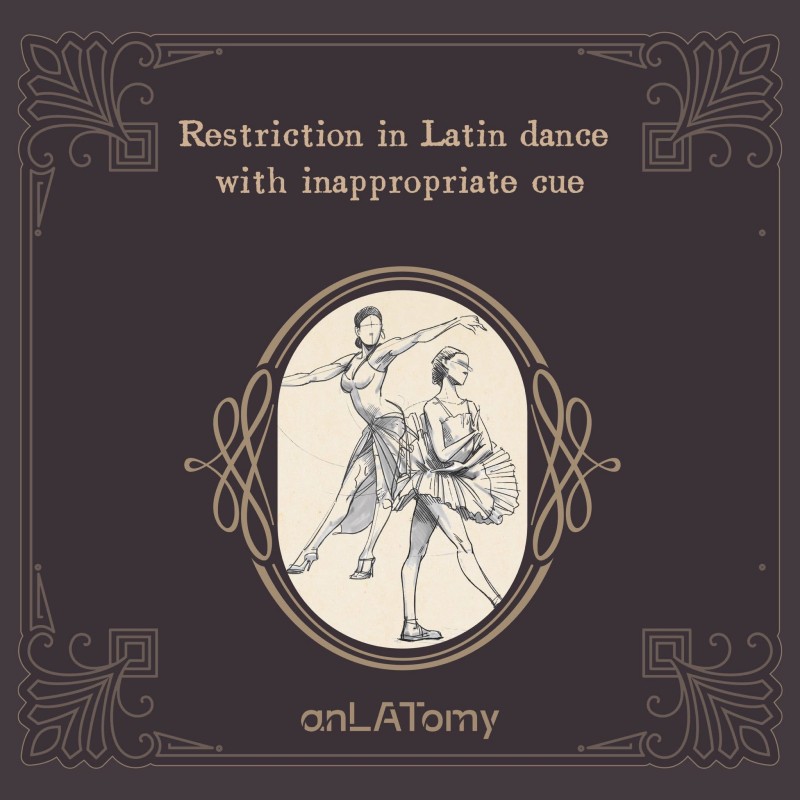
🧏🏻♀️Restriction in Latin dance with inappropriate cue 🧚🏻♂️Ballet dance often be seen as one of the best training for latin

🦿Legs Application in Latin Dancing According to previous articles, while we generating the Cuban action meanwhile applying ballet’s leg alignment

💃🏻Optimal Paso Doble activation If we could have better understanding of our spinal mechanics which how different segment suppose to
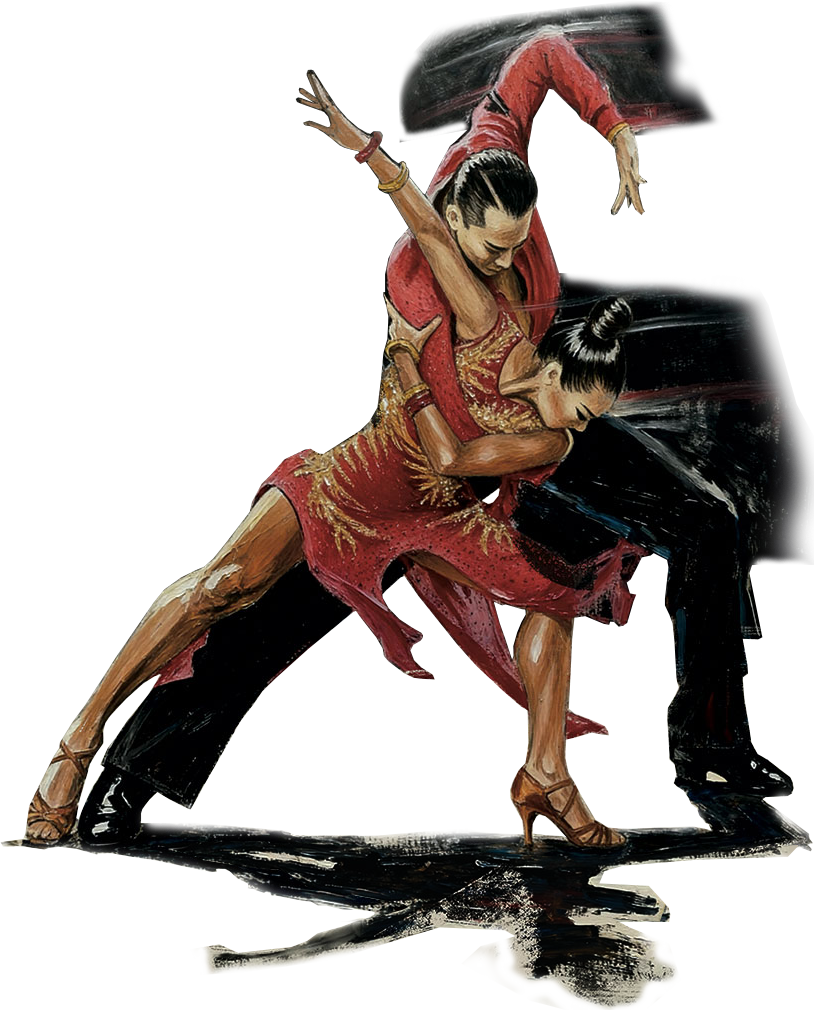
🧏🏻♀️Restriction in Latin dance with inappropriate cue 🧚🏻♂️Ballet dance often be seen as one of the best training for latin
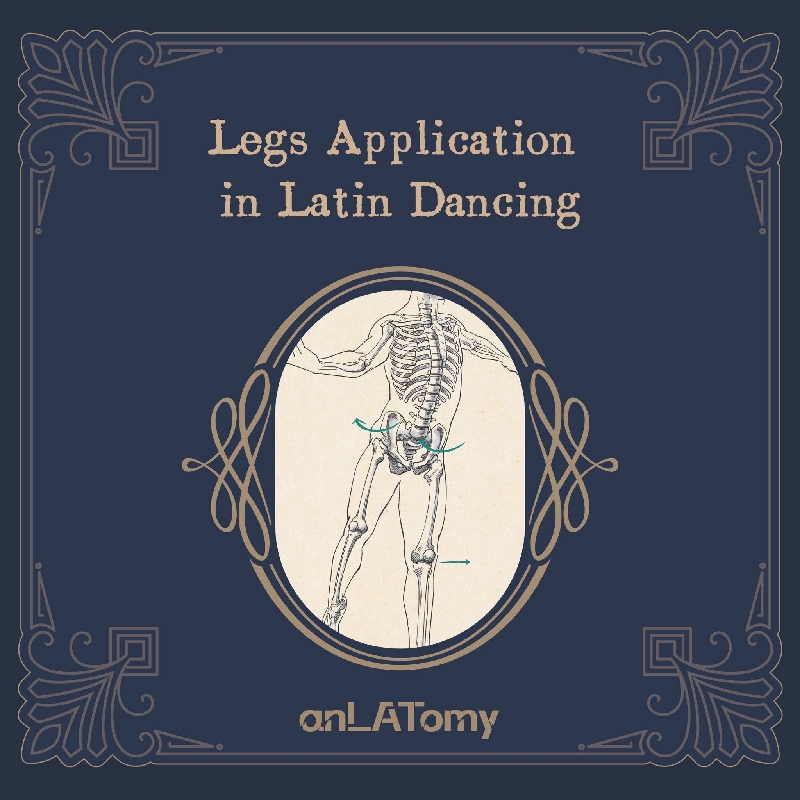
🦿Legs Application in Latin Dancing According to previous articles, while we generating the Cuban action meanwhile applying ballet’s leg alignment
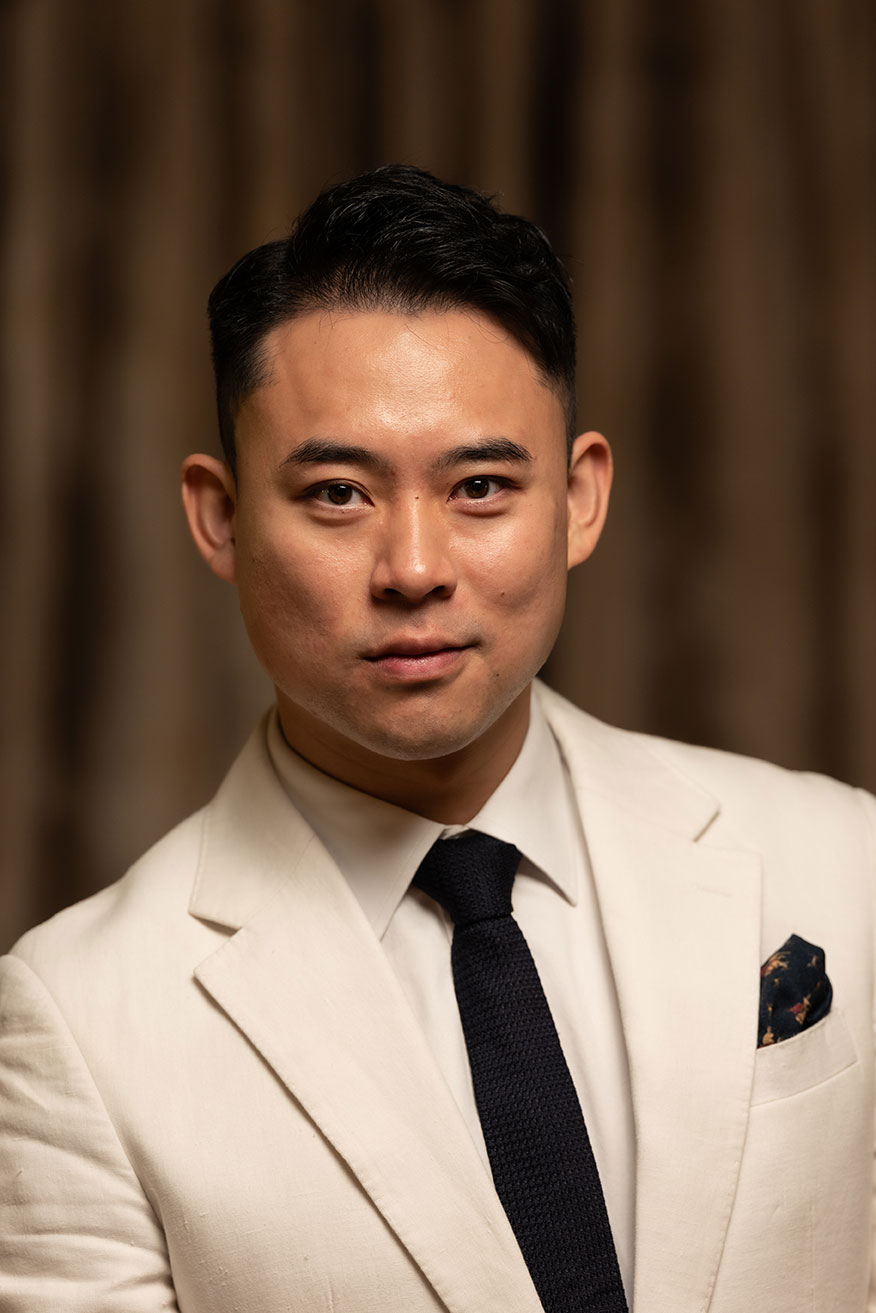
Cedric Chan is a Latin dancer and movement coach who combines competition experience with a clinical lens, and is a multi‑time gold medalist in Asian professional Latin dance and major multi‑sport games. ‘’AnLatomy’’( The Latin Dance Anatomy ) distills years of research on human kinetic chains and dance‑specific performance, aligning technique with biomechanics into a framework that is operable, teachable, and verifiable. Serving an international community of dancers and coaches, the mission is mechanism‑driven: reduce mismatches and injury risk, let aesthetics be carried by efficiency, and let performance be supported by structure.