Article

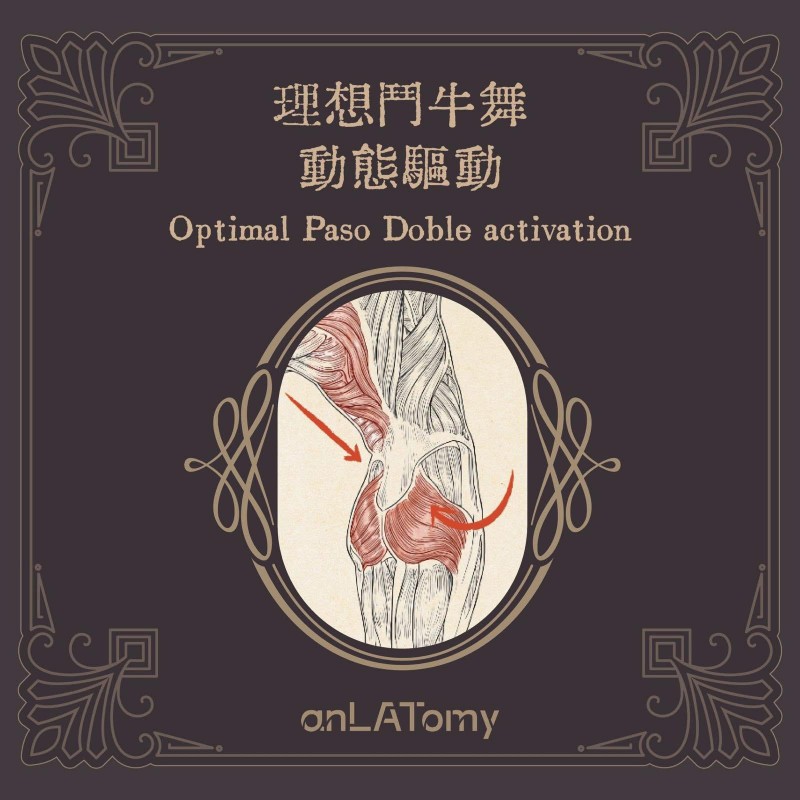
Optimal Paso Doble activation

💃🏻Optimal Paso Doble activation If we could have better understanding of our spinal mechanics which how different segment suppose to function plus how the movement sequencing could release the best range of motion we suppose to have . It will offer dancer to express more efficiently and preventing the sport injury . So for the general Paso Doble movement we could initiate through : 🌟keep the pelvic neutral 👉🏻 rotate only the rib cage ➕ unilateral back (*Lats Muscle) compression Or 🌟 unilateral back compression 👉🏻 rotate only the pelvic 🧠The concept of the movement sequence : 🔺The Thoracic spine (T10-12 area ) could produce better range of rotation than lumbar area 🔺while we doing unilateral back compression , it will push our rib to another side which will also lead relatively rotate between rib cage and pelvic 🔺meanwhile when we compress only one side of the back muscle then rotating the pelvic. It will then relatively pushing forward than the rib cage 😮‍💨instead of adjusting the posture (chest up , ribs in ) after the initiation of “pushing the pelvic forward “ as a Paso Doble outlook , the optimal activation could able to share the load and tension
Read More »

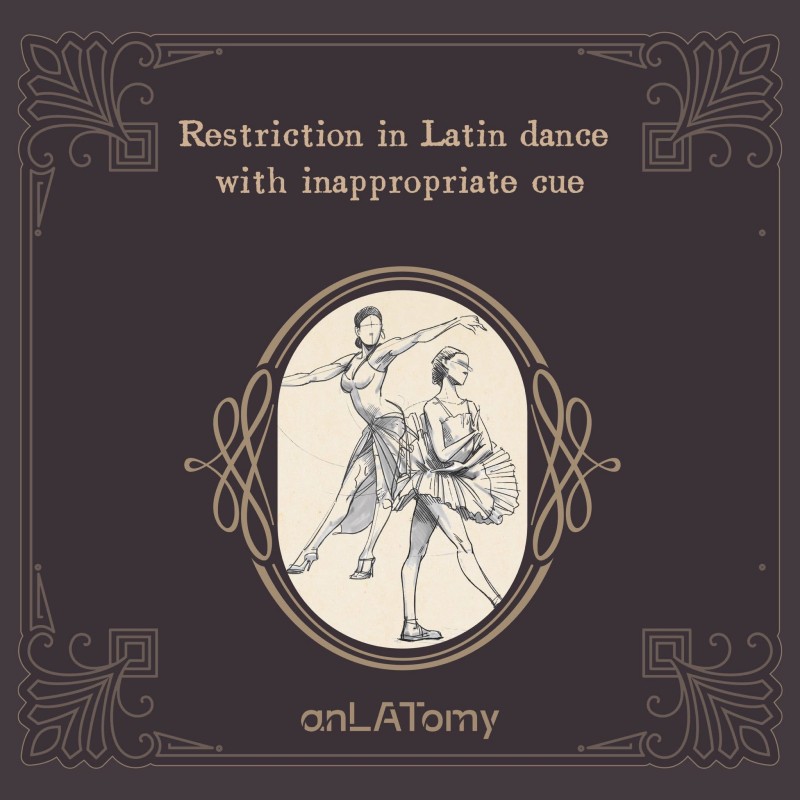
Restriction in Latin dance with inappropriate cue

🧏🏻‍♀️Restriction in Latin dance with inappropriate cue 🧚🏻‍♂️Ballet dance often be seen as one of the best training for latin dancer due to its systematic and it does able to build tremendous muscle control , and certain flexibility, coordination for dancers need However the dance mechanics or the kinetic chain required during movement between two dance are actually poles apart so while we putting those cue of usage from ballet into Latin American dance , it will not only inhibit whether the range of motion or the strength a dancer suppose to produce it will also causing different kind of sport /joint injury specially for the lower limbs to dancer.😮 🧠For example, Ballet dancer required to present and maintain both legs and hips in extreme turn out position all times which required strong contraction from the glute muscle (Hip external rotation muscles) and it has to keep the pelvic , rib cage in neutral position and there should have no obvious rotation in between 💃🏻However in Latin American Dance itself , the signature Cuban action required to create figure 8 motion from the hip area which actually executed by unilateral rib cage compression to create the level change and the

Read More »

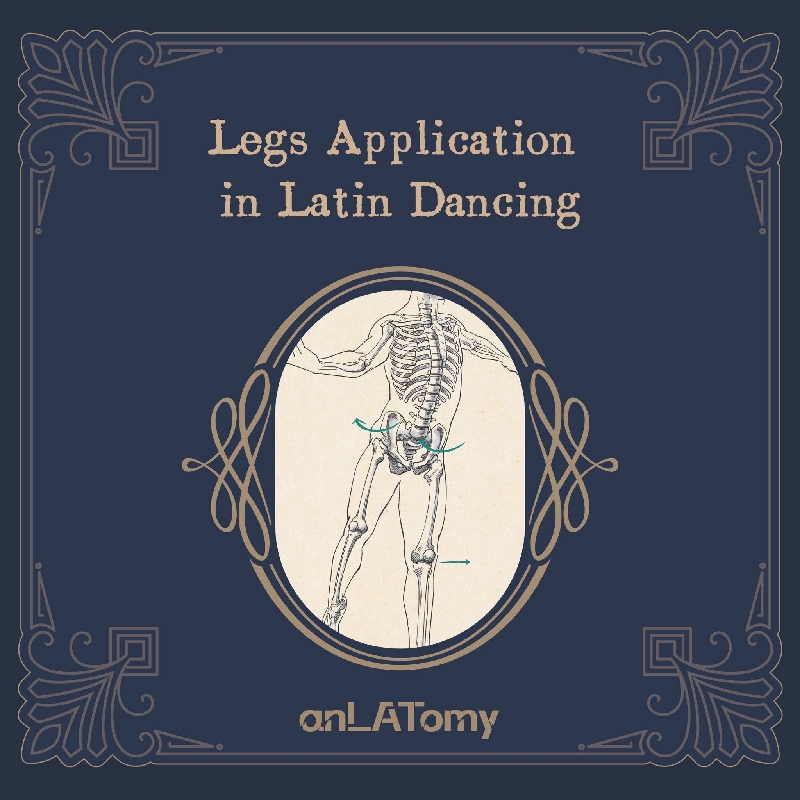
Legs Application in Latin Dancing

🦿Legs Application in Latin Dancing According to previous articles, while we generating the Cuban action meanwhile applying ballet’s leg alignment into Latin Dancing such as turned out legs and feet , hyperextended knee , it will then: ♦restrict our range of rotation of the legs/hip ♦get knee joint overloaded with pressure/ twisting force ♦Then dancer will need to compensate those joint pressure by further interior tilt pelvic / arch back/bending knee At the same time ,Dancers / Coaches often fall into the loop with: 🧐Rips in / squeeze the glute (to keep the pelvic neutral ) 👉🏻 then the knee easily bend again during the moves As while we generating the hip rotation in a close chain of the lower limb , the knee joint playing a role as a junction of the hip and ankle will then be like twisting a towel and bringing loads of torque to the knee joint and those ligaments around 🧠For sure that we need to present the straighten leg as a finished alignment however if we missing the fundamental or sequencing of how our joints supposed to function to create a result, our brain will then find the most efficient way to compensate

Read More »

Optimal Paso Doble activation

💃🏻Optimal Paso Doble activation If we could have better understanding of our spinal mechanics which how different segment suppose to function plus how the movement sequencing could release the best range of motion we suppose to have . It will offer dancer to express more efficiently and preventing the sport injury . So for the general Paso Doble movement we could initiate through : 🌟keep the pelvic neutral 👉🏻 rotate only the rib cage ➕ unilateral back (*Lats Muscle) compression Or 🌟 unilateral back compression 👉🏻 rotate only the pelvic 🧠The concept of the movement sequence : 🔺The Thoracic spine (T10-12 area ) could produce better range of rotation than lumbar area 🔺while we doing unilateral back compression , it will push our rib to another side which will also lead relatively rotate between rib cage and pelvic 🔺meanwhile when we compress only one side of the back muscle then rotating the pelvic. It will then relatively pushing forward than the rib cage 😮‍💨instead of adjusting the posture (chest up , ribs in ) after the initiation of “pushing the pelvic forward “ as a Paso Doble outlook , the optimal activation could able to share the load and tension

Restriction in Latin dance with inappropriate cue

🧏🏻‍♀️Restriction in Latin dance with inappropriate cue 🧚🏻‍♂️Ballet dance often be seen as one of the best training for latin dancer due to its systematic and it does able to build tremendous muscle control , and certain flexibility, coordination for dancers need However the dance mechanics or the kinetic chain required during movement between two dance are actually poles apart so while we putting those cue of usage from ballet into Latin American dance , it will not only inhibit whether the range of motion or the strength a dancer suppose to produce it will also causing different kind of sport /joint injury specially for the lower limbs to dancer.😮 🧠For example, Ballet dancer required to present and maintain both legs and hips in extreme turn out position all times which required strong contraction from the glute muscle (Hip external rotation muscles) and it has to keep the pelvic , rib cage in neutral position and there should have no obvious rotation in between 💃🏻However in Latin American Dance itself , the signature Cuban action required to create figure 8 motion from the hip area which actually executed by unilateral rib cage compression to create the level change and the

Legs Application in Latin Dancing

🦿Legs Application in Latin Dancing According to previous articles, while we generating the Cuban action meanwhile applying ballet’s leg alignment into Latin Dancing such as turned out legs and feet , hyperextended knee , it will then: ♦restrict our range of rotation of the legs/hip ♦get knee joint overloaded with pressure/ twisting force ♦Then dancer will need to compensate those joint pressure by further interior tilt pelvic / arch back/bending knee At the same time ,Dancers / Coaches often fall into the loop with: 🧐Rips in / squeeze the glute (to keep the pelvic neutral ) 👉🏻 then the knee easily bend again during the moves As while we generating the hip rotation in a close chain of the lower limb , the knee joint playing a role as a junction of the hip and ankle will then be like twisting a towel and bringing loads of torque to the knee joint and those ligaments around 🧠For sure that we need to present the straighten leg as a finished alignment however if we missing the fundamental or sequencing of how our joints supposed to function to create a result, our brain will then find the most efficient way to compensate

Scroll to Top